
On 30 September 2026, ground was broken in Lamu, Kenya, for a $16 billion refinery designed to process 700,000 barrels of crude a day, the East Africa Dangote refinery. Supporters have argued it could lift Kenya’s GDP and end what could be termed as, decades of Africa’s economic betrayal.
Around it, other projects are moving. Gulf Energy is targeting first commercial oil from Turkana on 1 December 2026, Uganda’s East African crude oil pipeline is more than 90% complete, and Kenya is preparing its first competitive oil licensing round.
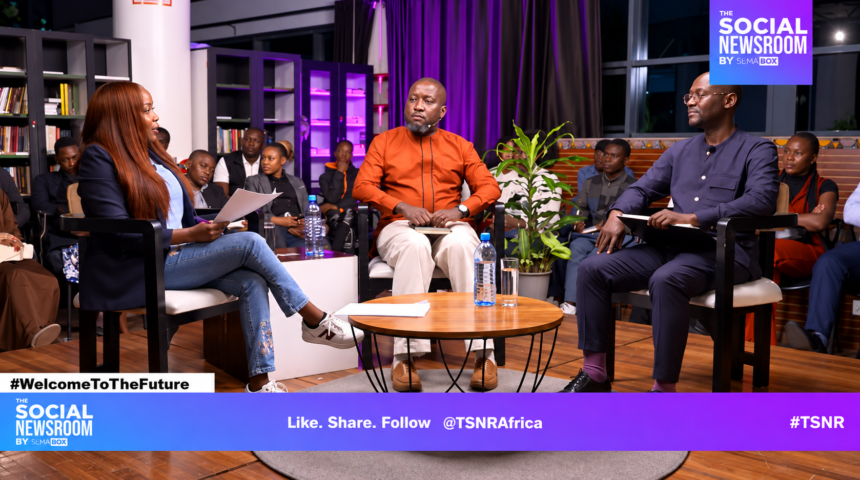
To make sense of it all, the Social Newsroom convened two guests. Charles Wanguhu brought a governance, community and climate lens. He sits on the board of the Natural Resource Governance Institute and previously coordinated the Kenya civil society platform on oil and gas. Kenneth, executive director of the Africa Centre for People, Institutions and Society, brought the political economy and public finance perspective.
A recurring theme was that the project is being driven by leader-to-leader deals rather than institutions. Charles recalled that the Turkana and Ugandan oil were originally meant to flow to Lamu under the LAPSSET corridor plan, and that the pipeline’s diversion towards Tanga in Tanzania hurt that vision. The refinery is now seen as the commercially viable anchor that might revive LAPSSET.
Watch the entire interview on our YouTube channel below.