

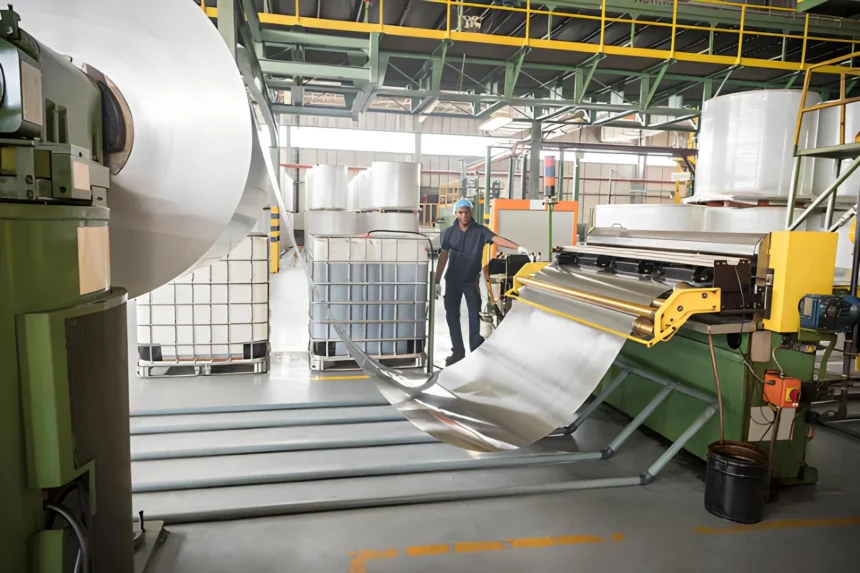
Credit extended by Nigerian banks to manufacturers fell 26.8% year-on-year to approximately $3.85 billion in June 2026, down from $5.26 billion a year earlier, according to the Central Bank of Nigeria’s Q2 2026 Statistical Bulletin.
The decline reflects mounting pressure on manufacturers, who continue to grapple with expensive electricity, high production costs, logistics bottlenecks and exchange-rate volatility.
Outstanding credit also fell about 21% between January and June, from $4.88 billion to $3.85 billion, despite a modest recovery from May’s $3.73 billion.
Nigeria needs more than $35 billion annually to finance industrialisation and increase manufacturing’s contribution to gross domestic product to 25%, according to the Bank of Industry.
In 2025, the bank received loan applications worth approximately $1.30 billion but had only $478.7 million available, leaving a funding shortfall of about 63%.
Credit guarantees have offered some relief. Nigeria’s National Credit Guarantee Company unlocked approximately $34.8 million in loans for 67,512 borrowers using $16 million in guarantees.
However, Manufacturers Association of Nigeria Director-General Segun Ajayi-Kadir says businesses remain insufficiently protected against lending risks, with banks favouring government securities and oil and gas financing.
The association is calling for the full implementation of a $742 million Manufacturing Stabilisation Fund and expanded credit guarantees covering up to 70% of manufacturing loans at single-digit interest rates.