
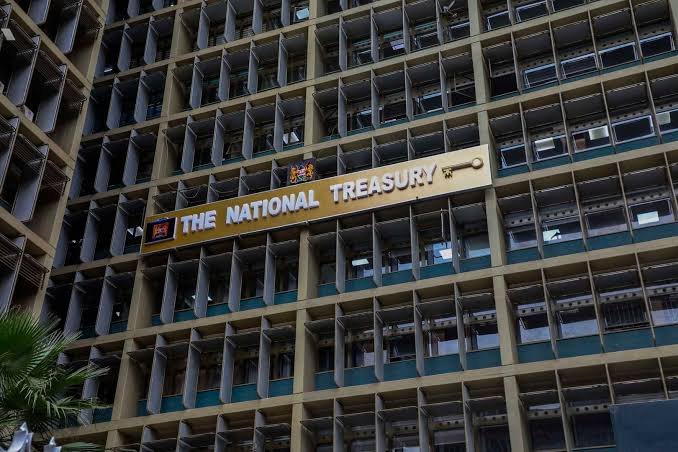
Kenya could unlock significant economic growth and expand its GDP by as much as a fifth if it successfully tackles corruption, the World Bank has warned, identifying graft as one of the biggest obstacles to the country’s economic potential.
In its latest assessment, the multilateral lender argues that corruption and collusion are weakening public finances, increasing government borrowing requirements and making it more expensive for the country to access credit.
The World Bank estimates that corruption and collusion cost Kenya approximately 2% of GDP annually through higher fiscal deficits. The resulting financing requirements add to public debt while governance-related risks push up the cost of government borrowing.
The warning comes as Kenya continues to grapple with rising debt obligations, revenue pressures and repeated difficulties meeting its fiscal deficit targets.
The lender, however, offered a more positive outlook on economic activity, raising its 2026 growth forecast to 4.6% from an earlier projection of 4.3% after stronger-than-expected economic performance in the first half of the year.
Kenya’s government has introduced measures intended to strengthen accountability, including an electronic public procurement system and a conflict-of-interest law aimed at reducing opportunities for abuse of public resources.
However, the World Bank cautions that fiscal slippage could further increase debt pressures. The August 2027 general election also presents risks to investment, tourism and public spending.
For investors and businesses, improving governance is not simply about reducing public-sector waste. It could lower the cost of capital, strengthen investor confidence, improve the efficiency of public spending and unlock economic activity that has remained constrained by corruption.