
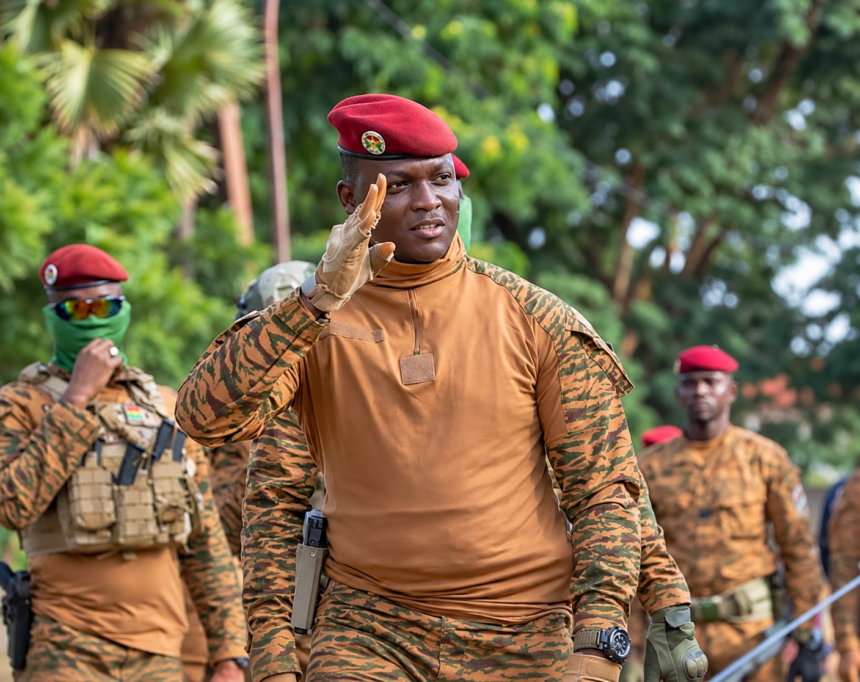
Burkina Faso’s military government, led by Captain Ibrahim Traoré, is tightening its grip on foreign aid, requiring non-governmental organisations (NGOs) operating in the country to channel at least 80% of their budgets into direct investments and field activities.
The new rules were approved by the Council of Ministers on September 24, 2026, as the government seeks to ensure that aid money delivers tangible benefits to local communities rather than being absorbed by administrative and operating costs.
Under the regulations, local associations must sign framework agreements with the state, while foreign organisations will be required to secure headquarters agreements. Existing organisations have two years to comply, with authorities empowered to conduct administrative, financial and technical audits.
How much are major NGOs spending in Burkina Faso?
The new requirement comes as international aid organisations continue to provide essential services in a country facing insecurity, displacement and food shortages.
Some of the major players have disclosed the scale of their operations and funding in Burkina Faso.
Médecins Sans Frontières (MSF) reported spending €32.6 million ($37.16 million) in the country in 2025. Its teams provided healthcare to displaced people and host communities, conducted nearly 787,200 outpatient consultations and treated 180,400 malaria cases.
World Vision received $4.16 million in funding for its Burkina Faso operations in the 2024 financial year, which ran from October 2023 to September 2024. Its reported expenditure reached approximately $3.74 million, supporting programmes in health, nutrition, food security, livelihoods, child protection and sanitation. The organisation said its humanitarian response reached more than 317,000 people during that period.
UNICEF, meanwhile, is seeking $168.9 million for its 2026 humanitarian appeal in Burkina Faso. The funding is intended to support health, nutrition, education, water and sanitation, and child protection programmes. This is a fundraising target, not money already spent in the country.
A shift for the aid sector
The scale of these operations highlights what is at stake as Burkina Faso reshapes the way international assistance is managed.
The government’s position is that aid raised in the name of vulnerable communities should translate into direct benefits for those communities. But the 80% requirement also raises practical questions about how organisations will account for essential costs such as logistics, security, staffing and the coordination needed to deliver assistance in conflict-affected areas.
The changes come amid a wider tightening of oversight over civil society and foreign-funded organisations. For aid groups, the challenge will be to meet the new requirements while maintaining services for millions of people who depend on humanitarian support.