

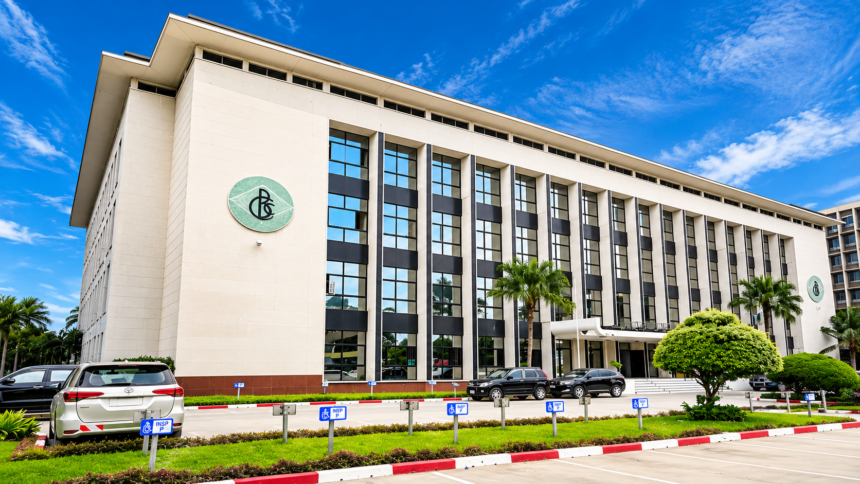
The Central Bank of the Democratic Republic of Congo (BCC) has kept its benchmark interest rate at 12.5%.
The bank announced the decision on Thursday, October 8, after a meeting of its Monetary Policy Committee. The rate remains unchanged from the level established in July, when the central bank reduced it from 13.5% to 12.5%.
What does this mean for businesses and borrowers?
The benchmark interest rate is one of the tools central banks use to influence borrowing costs, lending conditions and inflation.
When a central bank raises its policy rate, borrowing can become more expensive, helping to moderate demand and contain inflation. Conversely, lowering the rate can create room for cheaper credit, potentially encouraging business investment and consumer spending.
Maintaining the rate at 12.5% does not automatically mean commercial banks will maintain the same lending rates, as their pricing also depends on funding costs, credit risk and other market conditions.
For businesses, the cost and availability of credit remain important considerations when planning expansion, managing working capital and financing new investments.
Inflation remains a key consideration
The rate decision comes against a backdrop of rising cumulative inflation in the Democratic Republic of Congo. According to reporting on the central bank’s latest meeting, inflation reached 7.25% at the end of September 2026, up from 4.83% at the end of June.
The bank must therefore balance the need to contain price pressures against the importance of maintaining favourable conditions for economic activity.
The authorities have also identified external and domestic factors that could influence prices, including imported goods and logistics costs, as well as changes in domestic liquidity.
Growth outlook remains positive
The central bank has projected real economic growth of 5.4% in 2026, compared with an estimated 5.7% in 2025. It has also pointed to a growing contribution from non-mining sectors, suggesting that economic activity is gradually extending beyond the country’s traditional extractive industries.
The mining sector remains important to the Congolese economy, particularly through copper and cobalt production. Greater activity in other sectors could help broaden the country’s economic base and create additional opportunities for businesses and investors.