

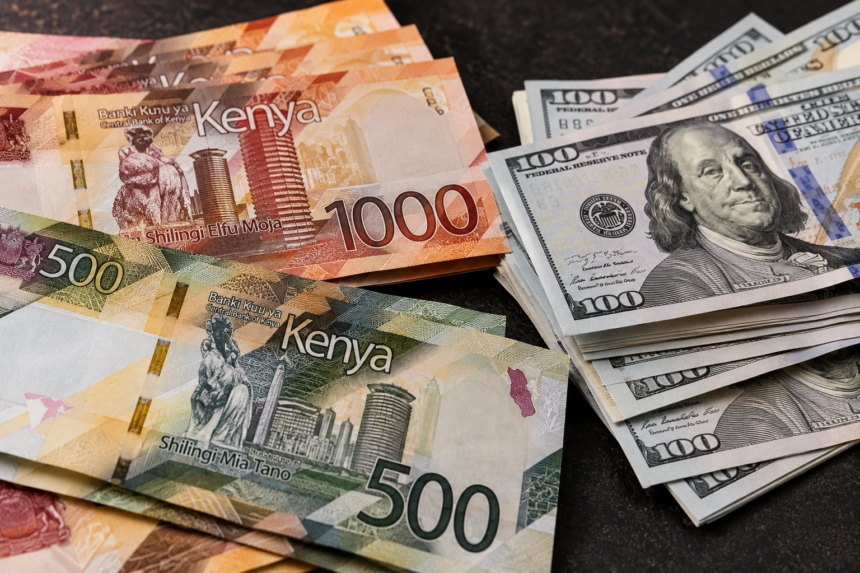
The Kenyan shilling started the week on a steady footing, trading at Ksh.128.50 buying and Ksh.129.50 selling against the US dollar. The latest quote aligns with the Central Bank of Kenya’s indicative rate of Ksh.129.49 recorded on September 21, suggesting little movement over the past week.
The stable shilling coincides with stronger foreign exchange reserves, which, according to the regulator, stand at $15.09 billion, equivalent to 6.1 months of import cover.
At 6.1 months of import cover, they remain comfortably above the CBK’s statutory minimum of four months
Across East Africa, however, the picture is more mixed, with regional currencies facing varying degrees of pressure from the dollar.
The Ugandan shilling recorded the steepest depreciation at 0.7%, followed by the Tanzanian shilling at 0.3%. The Rwandan and Burundian francs each lost 0.2%.
Uganda’s shilling has remained under pressure into September, with rising demand for dollars from manufacturers and the energy sector adding to the strain. Reuters reported on September 17 that the currency could face further downward pressure amid global energy-market uncertainty.
The Tanzanian shilling has also moved. Market data showed the dollar trading at around TSh2,645 on September 25, with the currency weakening slightly over the course of September. Rwanda’s franc has faced similar pressure, with the dollar trading at around RWF1,480 on September 24.
Kenya’s narrow trading range reflects a currency that has so far avoided the sharper swings seen elsewhere in the region.
The challenge for East African economies is the continued demand for dollars to pay for fuel, imports and other external obligations.
With global energy prices and geopolitical uncertainty adding to that demand, the coming weeks will test how well the region’s currencies can hold their ground.