

Standard Investment Bank’s advisory unit is letting retail investors profit from falling share prices, using stock lent from pension portfolios.
FourFront Management, the advisory and technology unit of Standard Investment Bank, has started offering retail investors on the Nairobi Securities Exchange algorithm-driven trading that can profit when share prices fall as well as when they rise.
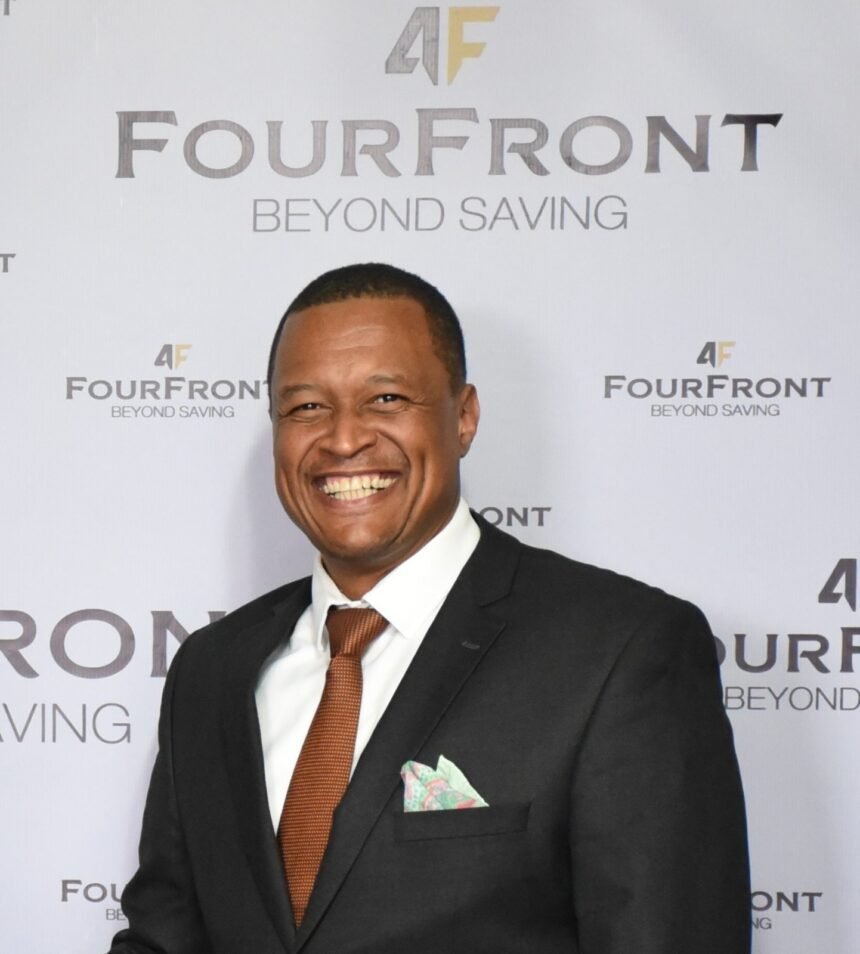
“There is an important change in what investors can do,” Donald Wangunyu, FourFront’s founder and chief executive, told Sable Africa.
The Capital Markets Authority admitted FourFront to its regulatory sandbox for a six-month test, beginning August 1, of its short selling platform together with the Central Depository and Settlement Corporation. The Retirement Benefits Authority has issued a no-objection allowing pension schemes to lend shares, according to the CDSC. The CMA first admitted FourFront to the sandbox in 2020, to test a robo-advisory service.
In market terms, going long means buying a share and gaining if its price rises. An investor who buys 1,000 shares at KES 50 and sells at KES 60 makes KES 10,000. The most a long investor can lose is the amount paid.
Going short is the reverse. The investor borrows shares, sells them at today’s price, and later buys them back to return to the lender. Selling borrowed shares at KES 50 and buying them back at KES 40 leaves a KES 10,000 gain, less fees. If the price rises instead, the investor loses, and because a price has no ceiling, neither does the potential loss.
On the CDSC platform, borrowers post collateral worth 110% of the shares’ value and must pay lenders any dividends declared during the loan, according to CDSC documents. Lenders, typically long-term holders such as pension funds, earn a fee.
How it works
“A traditional stockbroker mainly gives you access to the stock market. You decide what you want to do, and the broker helps you execute the trade,” Wangunyu said. “FourFront goes a step further. We call it a Retail Investing Decision Layer because it helps an investor answer three simple questions: What should I buy? How fast can I capture profit? Why will it make money?”
He said the AI was trained on 10 years of NSE share prices and has recorded more than 5,000 profitable price patterns. “It adjusts the size of a trade to the customer’s account balance, while our AI Trading Committee provides expert oversight,” he said. The algorithms generally target gains of 6% to 12%, with stop-losses that close a losing trade at about 2%. Accounts open at KES 50,000, with no lock-in period.
Wangunyu said FourFront has been appointed by one of Kenya’s large fund managers to administer lending of shares held for pension investors, giving short sellers a source of borrowable stock. He did not name the fund manager.
Returns and risk
Wangunyu did not give an after-fee return figure. He said returns differ by customer because FourFront is not a fund, and each investor trades through their own CDS account. The firm publishes its trades, win rate and returns on its website.
Asked for the maximum an investor could lose, he described controls rather than a figure. “Before taking a position, we calculate the size of the trade and the stop-loss based on the customer’s account. The purpose is simple: do not take a level of trading risk that the customer cannot afford,” he said.
Standard Investment Bank holds all customer cash and assets. Idle cash earns a return that Wangunyu said is contractually guaranteed; returns from trades are not. The advisory fee combines a charge that falls as accounts grow with a performance fee paid only on profitable positions. Brokerage and statutory charges are billed separately.
“All investment has risk,” Wangunyu said. “Our AI and sophisticated capital preservation process significantly reduce that risk, but they do not eliminate it.”
What to watch
The test runs to the end of January 2027, after which the CMA will decide whether the platform can be offered to the wider market.
“Finding the opportunity is only half the job,” Wangunyu said. “Protecting the customer’s capital when we are wrong is equally important.”