
Kenya faces a Ksh.1.7 trillion ($13.1 billion) public debt repayment bill before June 2027, intensifying debate over how the government can meet its obligations without putting further pressure on households and essential public services.
The challenge comes as finance officials gather in Bangkok, Thailand, for the IMF and World Bank Group annual meetings from October 12 to 18, 2026, where debt sustainability, rising borrowing costs and development financing are among the issues confronting developing economies.
The repayments represent about 12.7% of Kenya’s Ksh.13.2 trillion public debt stock. Approximately Ksh.1.06 trillion ($8.17 billion) will go towards principal repayments, leaving the Treasury with the task of raising funds to settle maturing obligations or refinancing them.
For ordinary Kenyans, the stakes extend beyond government balance sheets. More revenue directed towards debt repayment can leave less room for healthcare, education, infrastructure and other public priorities. Higher taxes may help bridge the gap, but they can also increase pressure on households and businesses already facing financial constraints.
IMF conditions return to the spotlight
Kenya’s debt challenge has revived questions about the role of the International Monetary Fund (IMF), particularly the tax increases and spending reductions often associated with efforts to restore fiscal stability.
The country’s previous IMF programme stalled in 2025 before its final review was completed, leaving funds under the arrangement inaccessible. At the time of the report, Kenya had no replacement programme in place.
Iolanda Fresnillo, a debt justice expert at the European Network on Debt and Development (Eurodad), has raised concerns about the effect of debt repayments and lending conditions on government spending.
“Countries are already cutting their expenditures because their debt payments are going high and because of the IMF conditionality,” Fresnillo told Reuters.
Her remarks capture the difficult balance facing governments, including controlling deficits and meeting debt obligations while protecting spending that supports economic growth and people’s livelihoods.
The IMF has also signalled a shift towards lending programmes with fewer individual reforms but deeper changes in the policy areas covered by their conditions. Critics question whether this approach could still result in demanding fiscal adjustments and additional pressure on public services.
The search for a sustainable way forward
Kenya’s immediate challenge is to manage upcoming repayments without making borrowing increasingly expensive or squeezing essential expenditure.
Refinancing maturing debt could provide breathing room, but its cost will depend on prevailing interest rates and the government’s access to domestic and international capital markets. Higher borrowing costs would further increase the share of public revenue required to service debt.
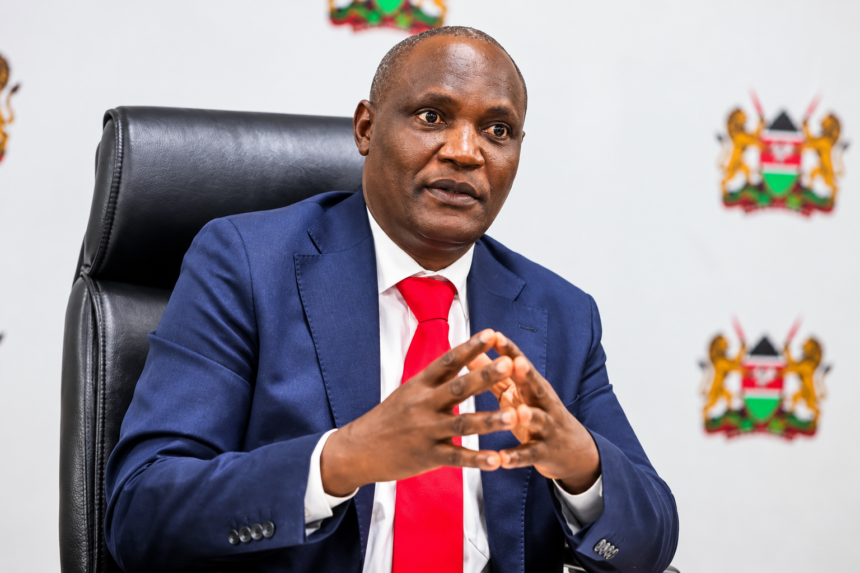
Treasury Cabinet Secretary John Mbadi and Principal Secretary Chris Kiptoo are attending the Bangkok meetings, where Kenya is expected to engage international financial institutions and development partners on economic stability and financing options.
Ultimately, the debate is about more than securing funds. Kenya must find a way to meet its obligations while preserving the resources needed to deliver public services, support businesses and sustain economic growth.
The challenge is to make debt management work not only for the government’s balance sheet, but also for the people whose taxes and livelihoods underpin the economy.