
Kenya’s KSh15 billion Quickmart share sale has come under parliamentary scrutiny, with lawmakers questioning whether the Capital Markets Authority (CMA) adequately protected ordinary investors before approving the supermarket’s entry into the Nairobi Securities Exchange (NSE).
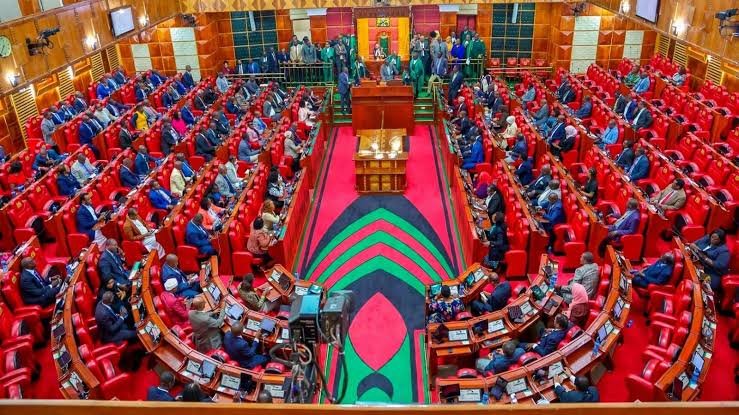
The concerns emerged on Wednesday, November 11, during a session of the National Assembly’s Public Investments Committee on Commercial Affairs and Energy, which challenged the regulator to explain how it assessed the retailer’s financial position, cash flows and obligations to suppliers.
At the centre of the controversy is the structure of Quickmart’s initial public offering (IPO). The retailer offered two billion existing shares at KSh7.50 each through an offer for sale by Sokoni Retail Kenya Limited, its existing shareholder.
This means the KSh15 billion raised from investors goes to the selling shareholder rather than directly into Quickmart’s operations or expansion. The transaction represents a partial exit for existing investors, including private equity investor Adenia and the supermarket’s founders.
Nairobi Woman Representative Esther Passaris questioned whether Kenyans fully understood the implications of investing in a company whose public share sale would not provide it with fresh capital.
Committee chairman and Pokot South MP David Pkosing also challenged the CMA to strengthen its oversight, warning that ordinary investors could lose their savings if the regulator failed to identify potential weaknesses before approving public offers.
“As the market regulator, you have an obligation to protect Kenyans from potential loss of funds,” Pkosing told CMA officials.
Lawmakers drew comparisons with the collapse of major retail chains, including Nakumatt and Uchumi, arguing that previous failures should inform how supermarket businesses are assessed before being opened to public investment.
The committee particularly questioned whether the CMA had adequately examined Quickmart’s operating cash flows, financial obligations and ability to meet supplier payments.
CMA Chief Executive Wyckliffe Shamiah defended the regulator’s approval, maintaining that Quickmart had undergone the necessary scrutiny and met the applicable regulatory requirements.
“The bulk of its funding is internally generated. The proposed share sale has also met the other requisite thresholds,” Shamiah told the committee.
The parliamentary questions come despite strong investor appetite for the offer. Quickmart received applications worth KSh18.41 billion against the KSh15 billion target, representing a 22.7% oversubscription.
The retailer received 18,492 applications for approximately 2.45 billion shares, against the two billion available. The offer therefore attracted considerably more demand than the shares available for allocation.
Quickmart, which operates 72 stores across 16 counties, reported revenue of KSh50.4 billion in 2025. The KSh7.50 offer price placed the supermarket’s implied equity valuation at approximately KSh30 billion.
The retailer is scheduled to begin trading on the NSE on November 12 under the ticker QMRT.
The parliamentary intervention raises questions about investor education, corporate disclosures and the responsibilities of market regulators as more Kenyan businesses seek public financing.
The challenge for the CMA will be to demonstrate that public participation in Kenya’s capital markets is supported by adequate disclosure and effective investor protection, particularly in sectors with a history of corporate failures.