
Senegal may have to wait longer for a much-needed $2.2 billion International Monetary Fund (IMF) loan after the Fund outlined outstanding conditions that the government must meet before the financing can receive final approval.
The IMF says Senegal must first complete an agreed budget framework, take corrective action over previously undisclosed public debt and obtain financing assurances from its international partners.
The requirements come as President Bassirou Diomaye Faye’s administration faces growing disagreements with parliament over the country’s fiscal direction.
Speaking during a regular press briefing, IMF spokesperson Julie Kozack said the Fund was not involved in Senegal’s internal political negotiations but expected the government to honour its commitments.
“We fully respect that sovereignty of nations,” Kozack said, adding that the authorities must demonstrate their ability to implement the agreed policies through the country’s own legal and institutional framework.
Political tensions complicate financing plans
Senegal’s National Assembly has rejected an amended 2026 budget, while a parliamentary committee has also asked the Finance Ministry to withdraw the proposed 2027 budget bill.
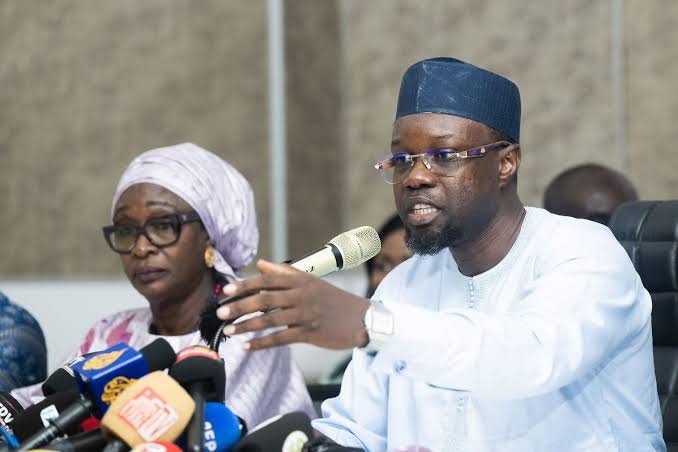
The disagreements have intensified tensions between Faye and former Prime Minister Ousmane Sonko, whose PASTEF party commands a majority in parliament.
The budget impasse is particularly significant because the IMF wants a credible fiscal framework that can support debt reduction, improve public financial management and restore confidence among international lenders.
Hidden debt remains a major concern
Senegal’s financial difficulties escalated in 2024 after the new administration uncovered billions of dollars in public liabilities that had not been properly disclosed by its predecessor.
The IMF estimates the previously unreported debt at more than $11 billion, while some analysts place the figure closer to $13 billion. Revised estimates put public debt at approximately 130% of GDP at the end of 2024.
The revelations led the IMF to suspend an earlier $1.8 billion financing programme and triggered repeated credit rating downgrades.
The proposed $2.2 billion facility, agreed at staff level in September for a 36-month period, is expected to help Senegal restructure its debt and attract additional support from development partners, including the World Bank and African Development Bank.
However, until the outstanding conditions are met and the IMF Executive Board approves the arrangement, the money remains out of reach.