
Sable

THE AFRICA BRIEF

Your daily 10-point briefing on what matters across Africa.

Subscribe Now
  • HOME
  • MARKETS
  • COUNTRIES
  • COMPANIES
  • INDUSTRIES
  • DATA
  • OPINION
  • VIDEO
Reading: World Bank Says Kenya’s Economy Could Be 20% Bigger if Corruption Is Tackled
Share
Search
SableSable
Font ResizerAa
  • HOME
  • MARKETS
  • COUNTRIES
  • COMPANIES
  • INDUSTRIES
  • DATA
  • OPINION
  • VIDEO
Search
  • HOME
  • MARKETS
  • COUNTRIES
  • COMPANIES
  • INDUSTRIES
  • DATA
  • OPINION
  • VIDEO
Have an existing account? Sign In
Follow US
Kenya

World Bank Says Kenya’s Economy Could Be 20% Bigger if Corruption Is Tackled

Kenya's growth opportunity may therefore depend as much on the quality of its institutions as on the amount of money invested in its economy.

Last updated: November 4, 2026
2 Min Read
Share
World Bank Says Kenya's Economy Could Be 20% Bigger if Corruption Is Tackled
SHARE

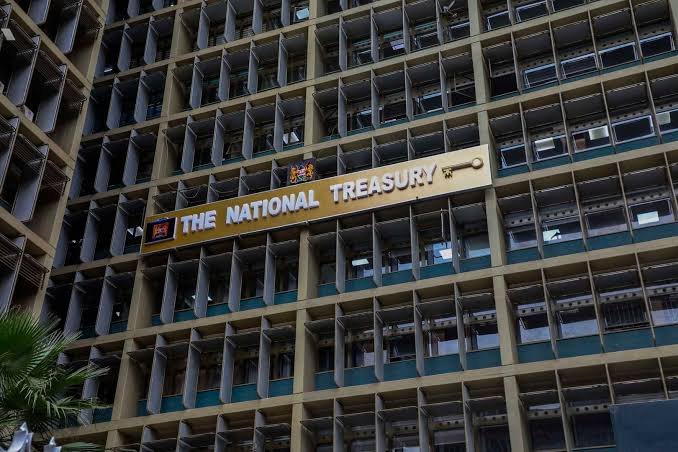
Kenya could unlock significant economic growth and expand its GDP by as much as a fifth if it successfully tackles corruption, the World Bank has warned, identifying graft as one of the biggest obstacles to the country’s economic potential.

In its latest assessment, the multilateral lender argues that corruption and collusion are weakening public finances, increasing government borrowing requirements and making it more expensive for the country to access credit.

The World Bank estimates that corruption and collusion cost Kenya approximately 2% of GDP annually through higher fiscal deficits. The resulting financing requirements add to public debt while governance-related risks push up the cost of government borrowing.

The warning comes as Kenya continues to grapple with rising debt obligations, revenue pressures and repeated difficulties meeting its fiscal deficit targets.

The lender, however, offered a more positive outlook on economic activity, raising its 2026 growth forecast to 4.6% from an earlier projection of 4.3% after stronger-than-expected economic performance in the first half of the year.

Kenya’s government has introduced measures intended to strengthen accountability, including an electronic public procurement system and a conflict-of-interest law aimed at reducing opportunities for abuse of public resources.

However, the World Bank cautions that fiscal slippage could further increase debt pressures. The August 2027 general election also presents risks to investment, tourism and public spending.

For investors and businesses, improving governance is not simply about reducing public-sector waste. It could lower the cost of capital, strengthen investor confidence, improve the efficiency of public spending and unlock economic activity that has remained constrained by corruption.

TAGGED:Pinned
Share This Article
Facebook Email Copy Link Print

THE AFRICA BRIEF

Your daily 10-point briefing on what matters across Africa.

News & Research

Nigeria’s Transfer Levy Now Falls on the Sender, and Wallet Users Will Feel It First

By Adewale Ajayi, Partner and Head of Tax, KPMG in Nigeria From January 2026, the fifty naira Electronic Money Transfer…

Opinion
November 4, 2026

Dangote Names New CFO as $50 Billion African Investment Drive Takes Shape

Dangote Petroleum Refinery has appointed Turkish finance executive Betül Sarıkaya as its new Chief Financial Officer (CFO), bringing more than…

Nigeria
November 4, 2026

The Teacher Who Built a Restaurant Around His Timetable

Kenya: Hezron Achola is a full-time art teacher. For one hour and twenty minutes each school day, he is also…

Kenya
November 4, 2026

Somalia Needs Bigger Tax Take as Aid Declines, World Bank Says

Countries comparable to Somalia collect an average of 15% to 17% of GDP, according to the lender's Somalia Public Finance…

Africa
November 3, 2026

Follow US on Socials

sable_w

Africa, understood.

Facebook X-twitter Youtube Linkedin

EXPLORE

  • Markets
  • Countries
  • News
  • Data
© 2026 Sable Africa. All rights reserved.
Welcome Back!

Sign in to your account

Username or Email Address
Password

Lost your password?