

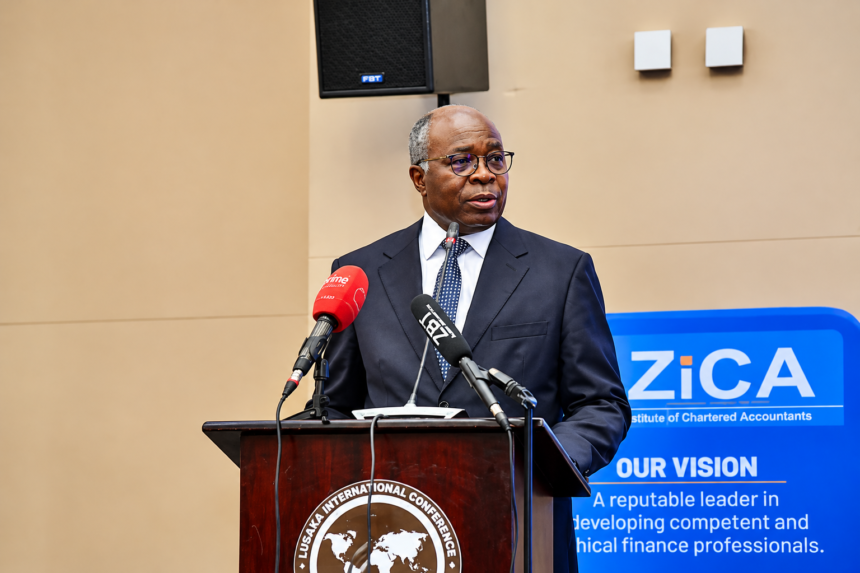
Zambia has lowered its economic growth forecasts for 2027 and 2028 as drought risks and rising fuel costs threaten to slow the country’s recovery.
Finance Minister Situmbeko Musokotwane said the government now expects the economy to grow by 4.9% in 2027 and 5% in 2028, down from earlier projections of 6% and 7.5%, respectively.
The revised outlook reflects concerns over a possible El Niño-related drought and higher fuel prices linked to the Iran war. A return of severe drought could reduce hydropower generation, disrupt copper mining and manufacturing, and raise electricity costs for businesses, as happened in 2024.
To reduce its reliance on hydropower, Zambia has expanded installed solar capacity from 178 megawatts in 2024 to 1,027.5MW, helping diversify electricity supply and support industrial production.
Despite the weaker medium-term outlook, the International Monetary Fund (IMF) projects 5.6% economic growth in 2026, supported by mining, agriculture and exports.
Inflation eased to 6.1% in September, while foreign exchange reserves rose to $6.1 billion. However, government finances remain under pressure from weaker value-added tax collections, lower fuel-tax revenues and higher-than-budgeted spending on maize purchases.
IMF financing deal offers support
Zambia has also reached a staff-level agreement with the IMF on a proposed $1.472 billion financing programme spanning 36 months. The deal is subject to approval by the IMF Executive Board and the fulfilment of agreed conditions.
The programme aims to strengthen public finances and keep the country’s debt on a sustainable path. Zambia is targeting a primary fiscal surplus of 3% of gross domestic product by 2029 through improved revenue collection and tighter spending controls.
The revised growth forecasts highlight the challenge facing Zambia as it seeks to sustain its recovery while managing climate risks, energy costs and limited fiscal space.